
out of sight, out of mind
By Emory Hutchins
It is no secret that animals are incredibly loved, both as pets and as food. While in many parts of the world, society sees some animals as having higher moral worth, there are instances where meat-eating consumers fight for livestock’s lives.
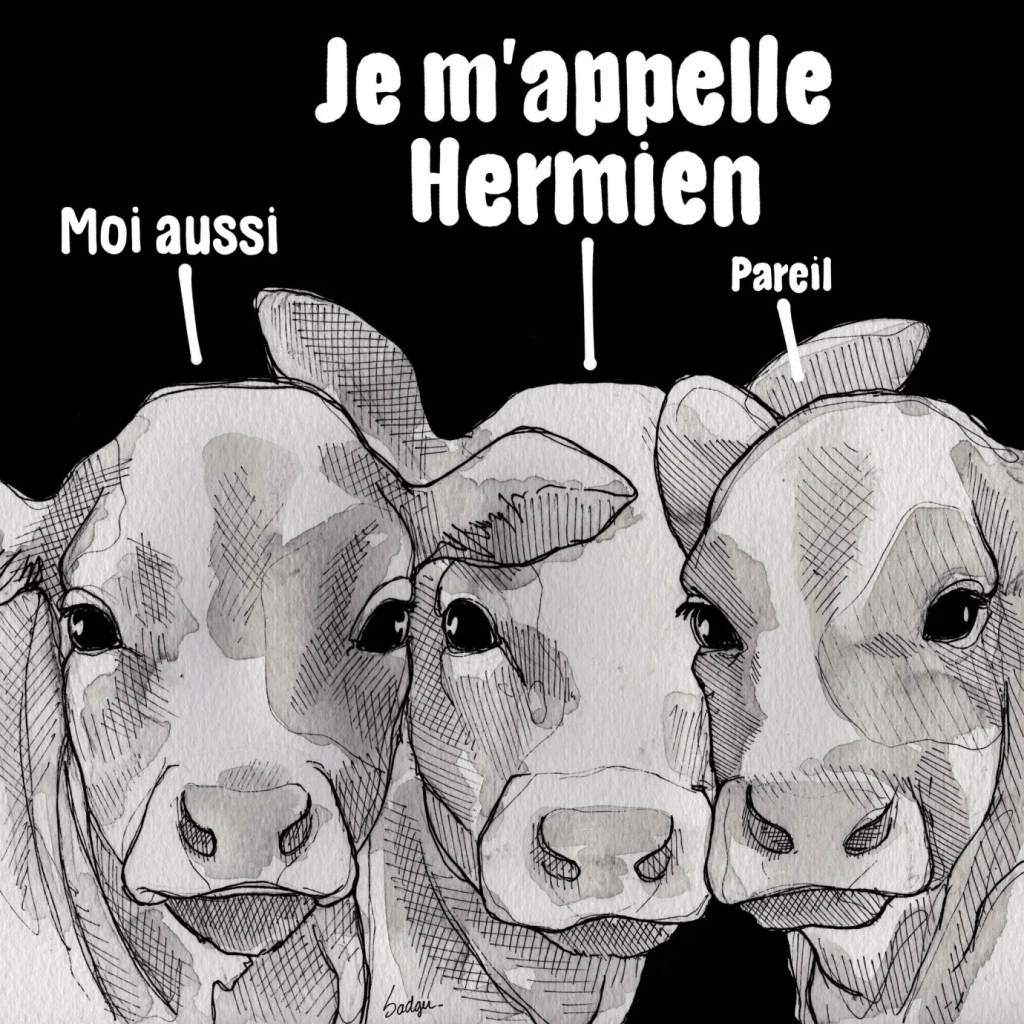
In late 2017, two Dutch cows, Hermien and Zus, escaped a slaughterhouse while being loaded onto a truck. Although Zus was caught shortly after, Hermien hid in the woods for two months, evading capture.
During this time, the story of Hermien’s escape took the internet by storm. Hashtags like #SaveHermien and #MeKoe (#MeCow in English) were trending across multiple platforms. Even the Dutch royal family supported Hermien’s life. Pieter van Vollenhoven, husband of Princess Margriet of the Netherlands, jokingly declared, “We’ve got to save Hermien… let’s all buy her together and give her freedom.”
The Dutch Animal Politics Foundation started a ‘cowfunding’ campaign to save Hermien. They ended up raising a total of €50,000 in only two weeks.

While all of this support was pouring in, there was also some controversy over supporters’ hypocrisy. Hermien’s escape didn’t create a decrease in meat purchases, nor did all the other livestock escapees over the years that garnered similar attention.
Why do we give overwhelming support to animals who manage to escape, but not to the ones that don’t?
The main reason is that humans have natural connections and empathy for animals. People seek human-animal relationships to fulfill their needs for love and companionship.
Most livestock are not on public display with a name and a story. This makes it easy for people to not feel a connection with them. Once an animal, like Hermien, has a name and a whirlwind story, people gain the same connection that they would to a pet.
Slaughterhouses depend on secrecy to keep people disconnected from livestock. Consumers aren’t willing to purchase meat that comes from an animal whose name and history they are familiar with.
While this is true, Hermien was a perfect example of cognitive dissonance. While her story didn’t turn out to be a catalyst for fans becoming vegetarians, many found supporting Hermien to be enough for meat eaters to solve their psychological discomfort of feeling bad for the cow.
By donating money and championing to save Hermien and Zus, supporters could feel assured in continuing to purchase meat from slaughterhouses.
The public support and fundraising for Hermien ended up saving both hers and Zus’ lives. They lived out the rest of their lives in a sanctuary.
This is only one of many stories of escaped livestock that created conversation in the media. These situations pose an ethical dilemma for consumers on the issues that come with slaughtering animals. It ultimately comes down to what the consumer values more: animal welfare or delicious food.
Oct. 20, 2025
Sources:
https://www.partyfortheanimals.com/en/rebel-cows-hermien-zus-escaped-slaughterhouse-happy-meadow
 Emory Hutchins